Source Bamboo Lid Glass Straw Tumbler for home, office, and travel
Compare 30 verified listings for Bamboo Lid Glass Straw Tumbler options featuring eco-friendly materials and customizable designs. Buyers can evaluate specifications like capacity, shape, and certifications from suppliers in China.
Key considerations
Products List
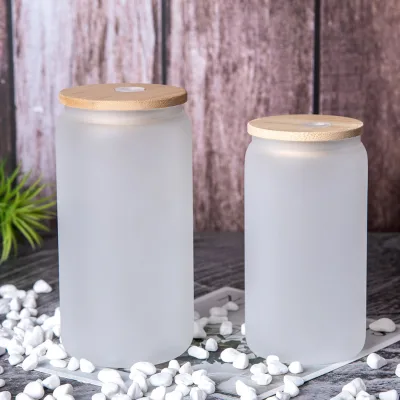


50oz Glass Tumbler with Bamboo Lid and Straw Glass Water Bottles with Handle
$2.00 - $10.00
MOQ: 200 Pieces


Wholesale Glass Tumblers with Bamboo Lid and Straw Drinking Iced Coffee
$2.00 - $10.00
MOQ: 200 Pieces

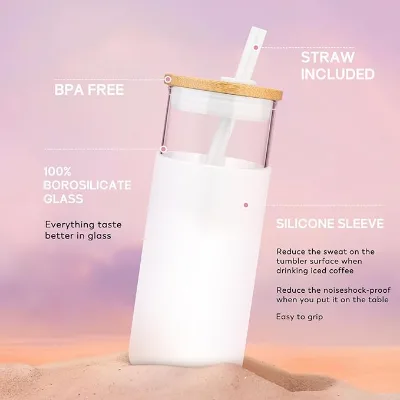

16oz 500ml Clear Hand Polished Glass Cup Tumbler with Bamboo Lid and Straw
$0.80 - $1.20
MOQ: 500 Pieces




Comprehensive Sourcing Guide
Strategic Sourcing Guide for Bamboo Lid Glass Straw Tumblers
The global shift toward sustainable beverage containers has elevated the demand for glass tumblers equipped with bamboo lids and integrated straw systems. This specific product category combines the aesthetic and functional benefits of glass with the eco-friendly appeal of bamboo, creating a high-value niche in the B2B market. For procurement professionals, navigating this sector requires a disciplined approach to verifying technical specifications, ensuring regulatory compliance, and understanding the complex cost drivers inherent in mixed-material manufacturing. This guide provides a comprehensive framework for sourcing these items, grounded in observed market data and essential procurement principles.
Technical Specifications and Material Composition
When evaluating glass tumblers with bamboo lids and straws, the primary focus must be on the integrity of the glass and the treatment of the bamboo components. The core material for the vessel is typically clear glass, often manufactured using specific techniques such as double-wall construction to enhance thermal insulation. In the current market, observed product attributes indicate a variety of capacities, ranging from 12 oz to 20 oz, with specific configurations including frosted finishes, transparent single layers, and double-layered "snowball" designs. The shape of the vessel is a critical differentiator; while cylindrical shapes are standard, rectangular or can-shaped profiles are also available, offering distinct branding opportunities.
The bamboo lid serves a dual purpose: it acts as a seal to prevent spills and as a mounting point for the straw. The straws themselves are often made from the same bamboo material or food-grade silicone, though the specific material must be confirmed during the sampling phase. Technical observations suggest that the production process involves decal decoration or printed designs, which must be durable enough to withstand repeated washing. The packaging specifications are equally vital; single package sizes vary significantly, with some units measuring 40x30x20 cm while others are more compact at 25x15x15 cm. Buyers must verify the single gross weight, which can range from 0.300 kg to 2.000 kg depending on the volume and wall thickness of the glass.
Regulatory Compliance and Certification Verification
Compliance is non-negotiable in the food-contact category. Sourcing bamboo lid glass straw tumblers requires rigorous verification of certifications to ensure the product is safe for consumer use. The most frequently observed certifications in this sector include LFGB (German Food and Feed Code), REACH (Registration, Evaluation, Authorization and Restriction of Chemicals), and ROHS (Restriction of Hazardous Substances). These certifications indicate that the glass and bamboo materials have been tested for heavy metals, phthalates, and other harmful substances.
However, buyers must not assume that every listed product possesses these certifications without explicit documentation. The presence of LFGB and REACH suggests compliance with European standards, while ROHS is critical for electronic components if the product includes any heated elements, though less relevant for standard tumblers. It is essential to request valid, recent test reports from the supplier rather than relying on a generic claim on the product page. Furthermore, the "Eco-Friendly" attribute often associated with bamboo products should be substantiated by the supplier's sourcing policies for the bamboo, ensuring it is harvested sustainably. The "Best" brand name observed in some listings may indicate a private label option, but the underlying certification status remains the responsibility of the manufacturer to prove.
Cost Drivers and Pricing Structures
Understanding the cost structure of bamboo lid glass straw tumblers is essential for budgeting and margin analysis. The price range observed in the market spans from $0.20 to $10.00 USD, a wide variance driven by several factors. The primary cost driver is the glass type and thickness; double-wall glass is significantly more expensive to produce than single-wall variants due to the manufacturing complexity and material usage. The capacity of the tumbler also plays a role, with 20 oz units generally costing more than 12 oz units.
Customization is another major cost factor. The availability of "Customizable" branding, including logos and specific colors, adds to the unit price. While some suppliers offer "Sample Provided Freely," the cost of shipping these samples and the potential for mold fees for custom designs must be factored into the total cost of ownership. The packaging method, whether in an OPP bag or a carton box, influences the final price, as does the volume of the order. The Minimum Order Quantity (MOQ) varies widely, with observed ranges from 10 units to 5,000 units. Lower MOQs, such as 10 or 100 units, often carry a higher per-unit cost due to the setup costs being amortized over fewer items. Conversely, larger orders of 480 or 500 units typically benefit from economies of scale.
Typical Applications and Market Segmentation
The versatility of bamboo lid glass straw tumblers allows them to serve multiple market segments. The primary application is for home use, as indicated by the "occasion: home" attribute. These tumblers are popular for serving cold beverages, smoothies, and cocktails, where the bamboo lid provides a rustic, natural aesthetic that complements modern interior design. The "Glass Office Cup" designation suggests a secondary market in corporate environments, where employees may prefer glass over plastic for health and environmental reasons.
The "Double Wall" and "Single Wall" distinctions cater to different usage scenarios. Double-wall tumblers are ideal for maintaining the temperature of iced drinks, making them suitable for cafes and restaurants. Single-wall variants are lighter and more stackable, often preferred for retail sales or promotional giveaways. The "Rectangular" and "Can Shaped" designs offer unique branding opportunities for businesses looking to differentiate their products. The "Classic" and "Simple" design styles ensure broad appeal, while the "Printed" or "Decal Decorated" options allow for targeted marketing campaigns. The "Applicable People: Adults" attribute clarifies that these products are generally not intended for children, which is a crucial safety consideration for procurement.
Supplier Evaluation and Sourcing Logistics
Selecting the right supplier requires a detailed assessment of their capabilities and logistics. The supply chain for these products is primarily concentrated in China, with observed origins in Zhejiang and Hubei provinces. These regions have established manufacturing ecosystems for glass and bamboo products. Buyers should evaluate suppliers based on their "Sample time," which is typically 3-7 working days, and their "Time of delivery," which ranges from 15 to 45 working days. These lead times are critical for inventory planning and must be factored into the procurement schedule.
The "Custom packing" capability is a significant advantage for buyers looking to streamline their logistics. Suppliers offering "OPP Bag / Carton" or "Carton Box" packaging can reduce the need for secondary packaging. The "Single package size" and "Standard" specifications, such as 50 pcs/ctn with dimensions of 52x42x35cm, are vital for calculating shipping costs and container utilization. Buyers should verify the "Capacity" of the supplier's production lines to ensure they can meet demand during peak seasons. The "Discount: Contact us" attribute indicates that pricing is often negotiable based on volume and relationship, so buyers should engage in direct dialogue to secure favorable terms.
Quality Control and Long-Term Procurement Considerations
Quality control is paramount when dealing with mixed-material products like glass and bamboo. The "Technics: Decal DECORATED" attribute highlights the need for rigorous testing of the print quality to ensure it does not peel or fade after washing. The "Cup Accessories: with Cover" and "WITH LID" attributes require inspection for fit and finish; the lid must seal properly to prevent leaks. The "Ingle Gross Weight" and "Single gross weight" data points serve as benchmarks for consistency; deviations from these weights can indicate manufacturing defects or material inconsistencies.
For long-term procurement, buyers should consider the "Customization: Available" aspect as a strategic advantage. The ability to customize the "Logo" and "Color" allows for brand differentiation and customer loyalty. However, this also introduces complexity in the supply chain, as custom orders often have higher MOQs, such as the observed 480 units. Buyers must balance the desire for customization with the need for inventory flexibility. The "Selling Units: Single item" suggests that the product is sold individually, which is standard for retail but requires careful packaging to prevent breakage during transit.
To mitigate risks, buyers should implement a phased sourcing strategy. Start with small sample orders to verify quality and compliance. Once the product meets specifications, gradually increase order volumes to negotiate better pricing and lead times. Regular audits of the supplier's production process and quality control measures are essential to maintain consistency. Finally, maintaining open communication with the supplier regarding any changes in regulations or material availability will ensure a stable and reliable supply chain for bamboo lid glass straw tumblers.
Conclusion
Sourcing bamboo lid glass straw tumblers requires a balanced approach that combines technical scrutiny with strategic supply chain management. By focusing on verified certifications like LFGB and REACH, understanding the cost drivers related to glass type and customization, and evaluating supplier logistics carefully, buyers can secure high-quality products that meet market demands. The observed data on capacities, packaging, and lead times provides a solid foundation for decision-making, but continuous verification and relationship building remain the keys to successful procurement in this dynamic market.
FAQs
What certifications do these glass tumblers have?
The products typically hold LFGB, REACH, and ROHS certifications to ensure safety. These verify compliance with chemical and heavy metal standards for food contact, though buyers must request specific test reports to confirm validity for each batch.
Can I customize the logo and color of the cups?
Yes, customization is available for both logos and colors on these glass tumblers. Suppliers accept customized logos and offer various color options, but this often requires meeting specific minimum order quantities and may involve additional setup costs.
What is the minimum order quantity for these items?
The minimum order quantity ranges from 10 to 5,000 units depending on the specific product variant. Lower MOQs like 10 or 100 units are available for standard items, while custom designs may require higher volumes such as 480 units.
How long does it take to receive a sample?
Samples are typically provided within 3 to 7 working days after request. While some suppliers offer free samples, the actual delivery time depends on shipping logistics and the specific origin location, which is usually in Zhejiang or Hubei, China.
Which glass capacities are available for these tumblers?
Available capacities include 12 oz, 15 oz, 16 oz, 20 oz, and a range of 701-800ml. Specific designs like frosted or double-layered cups come in these sizes, with single gross weights varying between 0.300 kg and 2.000 kg.
What is the typical delivery time for bulk orders?
The standard delivery time for bulk orders is 15 to 45 working days. This lead time accounts for production and shipping from the origin in China, so buyers should plan their inventory accordingly to avoid stockouts during peak seasons.
How are these tumblers packaged for shipping?
Products are packaged in OPP bags or carton boxes, with single package sizes varying from 25x15x15 cm to 40x30x20 cm. Standard cartons often contain 50 pieces with dimensions around 52x42x35 cm to optimize container utilization.